Irrigation & Sprinkler Leak Detection in Washington Township, NJ
Find broken sprinkler and backflow leaks without digging up your entire lawn.
Call (201) 510-1615Home > Irrigation Leak Detection
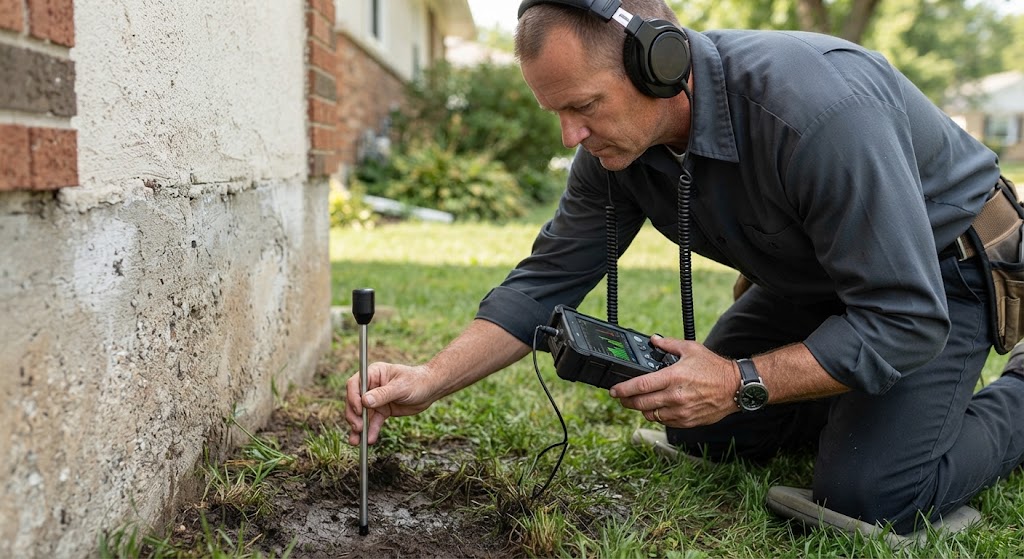
Accurate Sprinkler Leak Detection Washington Township NJ
A lush, green lawn is a point of pride for many homeowners in Washington Township. However, the underground irrigation systems that keep those lawns beautiful are highly susceptible to damage. An unseen leak in your sprinkler lines can waste hundreds of gallons of water per cycle, flooding your yard and causing your summer water bills to skyrocket. We offer precise sprinkler leak detection Washington Township NJ residents can rely on to keep their landscapes healthy and their water bills manageable.
Throughout neighborhoods like Turnersville and areas near Washington Lake Park, residential irrigation systems face a significant threat every winter. If a system is not properly blown out and winterized in the fall, trapped water freezes, expands, and shatters the underground PVC pipes or damages the backflow preventer valves. Most of these broken lines are discovered during the spring start-up.
Signs of an Irrigation System Leak
Because these pipes are buried under turf, leaks aren't always obvious. If you notice any of these signs, you need professional leak detection in Washington Township:
- High Summer Bills: Your water bill is substantially higher than previous summers, despite similar watering schedules.
- Soggy Lawn Areas: Sections of your grass remain squishy and waterlogged long after the sprinklers have turned off.
- Loss of Sprinkler Pressure: Sprinkler heads in a specific zone are barely popping up or not spraying as far as they used to.
- Erosion and Sinkholes: Water pooling and washing away soil around sprinkler heads or valve boxes.
- Backflow Leak Washington Township NJ: Water constantly dripping or pouring from the brass backflow preventer assembly attached to the side of your house.
How We Locate Underground Sprinkler Leaks
Finding a broken PVC line under a large lawn can feel like finding a needle in a haystack. While some plumbers might suggest trenching your yard until they find the wet spot, we use a much smarter approach. Similar to our water line leak detection methods, we perform zone-by-zone pressure testing.
First, we isolate the specific irrigation zone that is losing pressure. We then introduce compressed air into that underground line. Using highly sensitive acoustic listening discs, we walk the path of the sprinkler line and listen for the distinct sound of air escaping into the soil. This allows us to pinpoint the exact location of the underground sprinkler line leak Washington Township to within a few inches.
Repair and Backflow Testing
Once the leak is pinpointed, performing an irrigation leak repair Washington Township requires digging only a small hole to access the broken fitting or shattered pipe section. We cut out the damaged plastic and glue in a new, pressure-rated repair coupling.
Additionally, we inspect backflow preventers. These vital devices protect your home's clean drinking water from being contaminated by yard chemicals. If your backflow preventer has suffered freeze damage or has worn internal seals, we can identify the failure point quickly.
Frequently Asked Questions
Why is my irrigation system leaking after winter?
If a sprinkler system is not properly blown out and winterized in the fall, residual water inside the underground PVC lines will freeze, expand, and crack the pipes. These leaks become evident when the system is turned back on in the spring.
How do you find a sprinkler leak underground?
We shut off the water and introduce compressed air into the irrigation zones. By listening with acoustic ground microphones, we can pinpoint the exact location where air is escaping from the broken pipe.
What is a backflow preventer and why does it leak?
A backflow preventer stops contaminated irrigation water from flowing back into your clean drinking water supply. They often leak due to worn internal seals or freeze damage, and they require specialized testing.